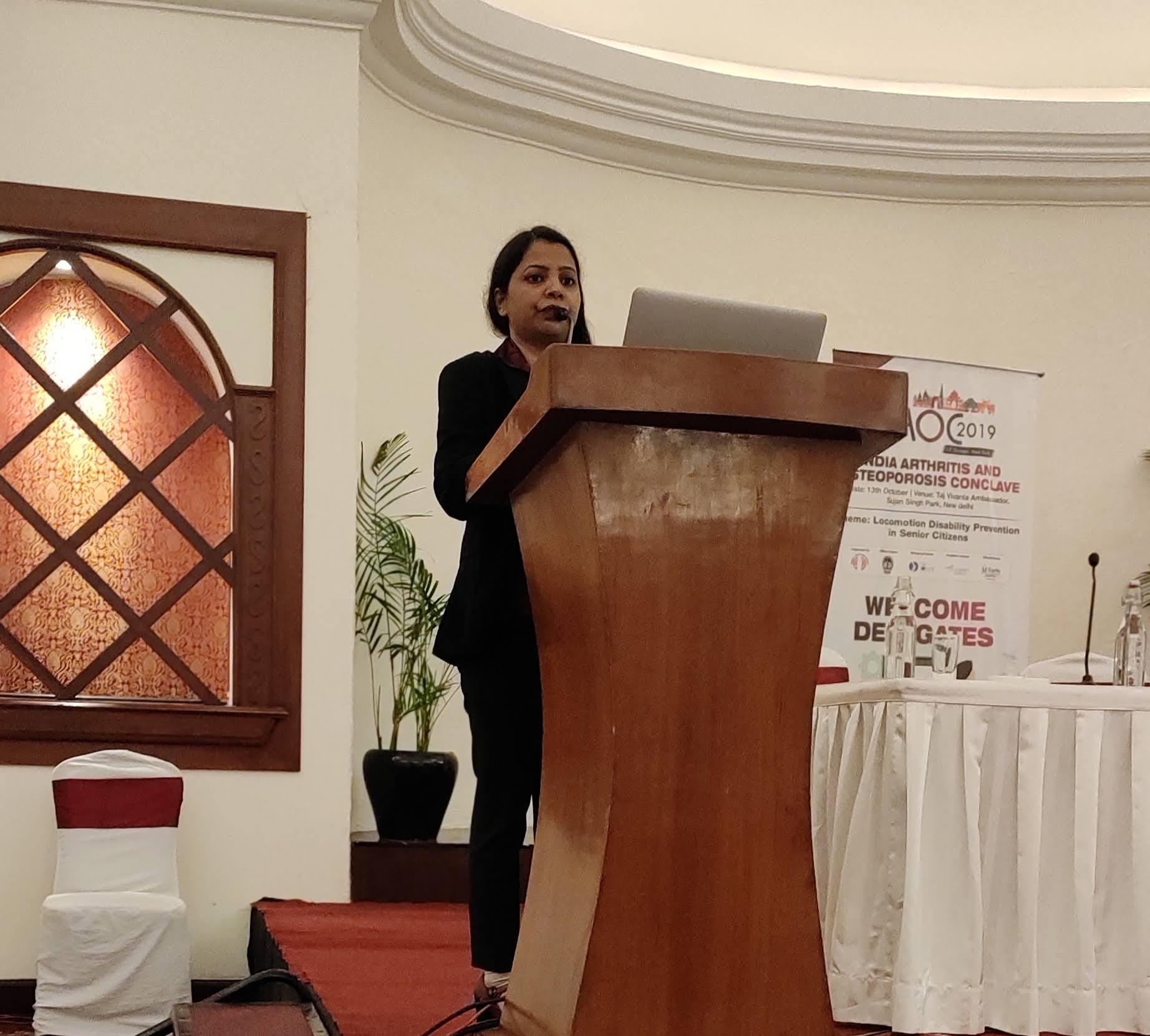
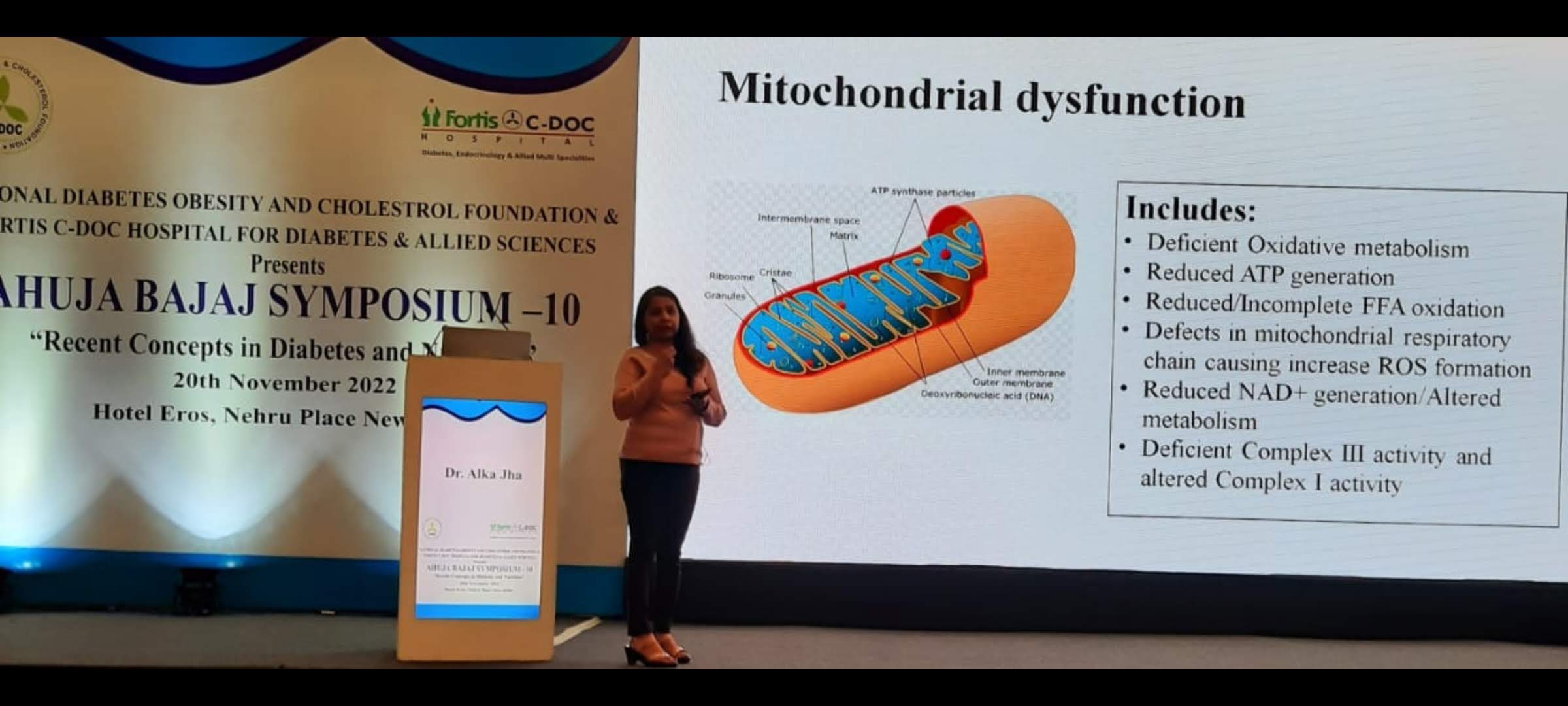
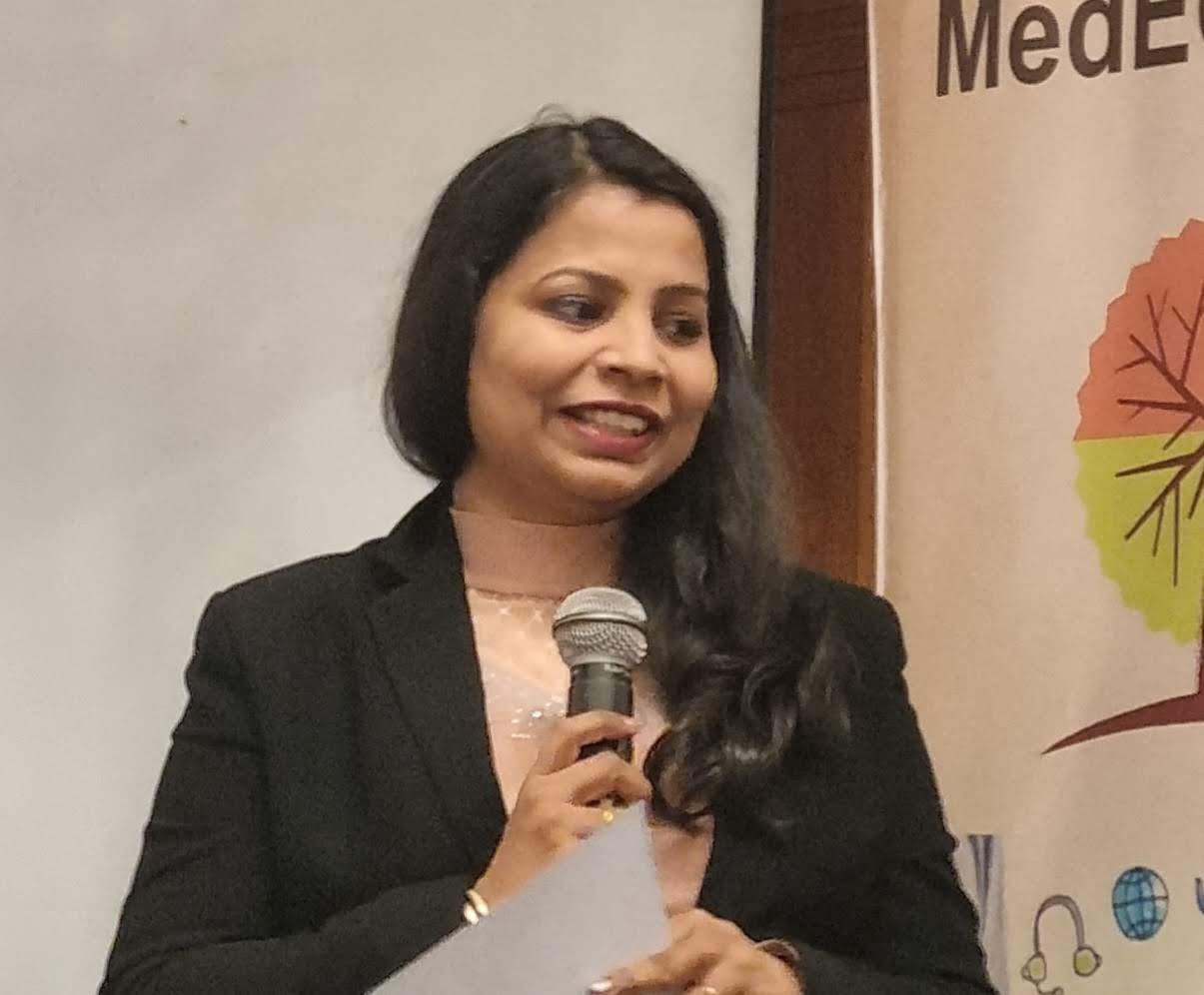
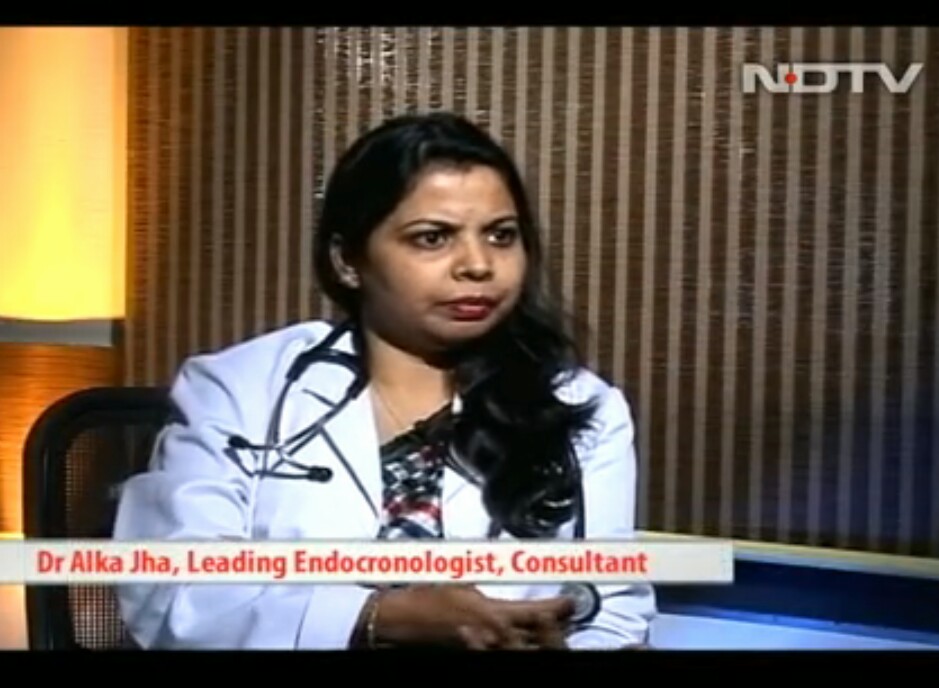
Dr. Alka Jha | Practicing Endocrinologist & Diabetologist | Founder & Director | Precison Metabolic Health and Genomic Wellness | Book Appointment

Doctor's Vision
I envision a future of healthcare where endocrinology and metabolic medicine move beyond simply treating disease to predicting risk, preventing progression, treating with precision and ultimately transforming health.

My approach follows a continuum of care:

Predict -Prevent - Detect - Treat - Transform - Optimize

Predict — Identify individual risks early by understanding biological, metabolic, genetic and lifestyle factors that may influence future health.
Prevent — Intervene before disease progresses, focusing on modifiable risk factors, healthy behaviours and proactive metabolic care.
Detect — Recognize hormonal and metabolic dysfunction at an early stage through appropriate clinical assessment, screening and monitoring.
Treat — Provide accurate diagnosis and evidence-based, personalized medical care when disease is present.
Transform — Go beyond prescriptions and laboratory numbers by integrating nutrition, movement, sleep, behaviour and health coaching to create sustainable lifestyle change.
Optimize — Once disease is controlled, the goal evolves from treatment to optimizing metabolic health, vitality, function and long-term healthspan.

I believe the future of healthcare lies in bringing together clinical medicine, precision health, personalized nutrition, lifestyle science and behavioural coaching—creating a model of care that is proactive rather than reactive, personalized rather than prescriptive, and focused on the individual rather than the diagnosis alone.

My goal is not simply to help patients manage diabetes, obesity, thyroid disorders or other endocrine conditions. It is to help them understand their biology, take ownership of their health, reduce future risk and build the capacity to live healthier, stronger and more fulfilling lives.
 
“We don’t wait for disease to define health. We predict risk, prevent progression, personalize care and transform lives.”

From Disease Management to Health Creation.
From Treatment to Transformation.
From Living Longer to Living Better.

  • 25+

    Years of Experience

  • 5K+

    Women Supported in Obesity & Metabolic Health

  • 10K+

    Treated for Complex Hormonal Conditions

  • 25K+

    Lives Touched and Healed

Our Healthcare Services

service
Diabetes Management
service
Obesity Management
service
Thyroid Disorder Management
service
Gestational Diabetes Management
service
PCOS Management
service
Menopausal Health
service
Pituitary Disorders
service
Adrenal Disorders
service
Parathyroid Disorders
service
Adolescent Endocrinology

Dr. Alka Jha

Endocrinologist, Diabetologist

Call
Video Call
In person
Dr. Alka Jha
Qualification:MBBS, MD (Internal Medicine), SCE in Endocrinology & Diabetes, RCP (UK), Fellowship in Adoloscent Endocrinology (CDER, India)
Experience:25.0 Years
Licence No.:DMC/R/586
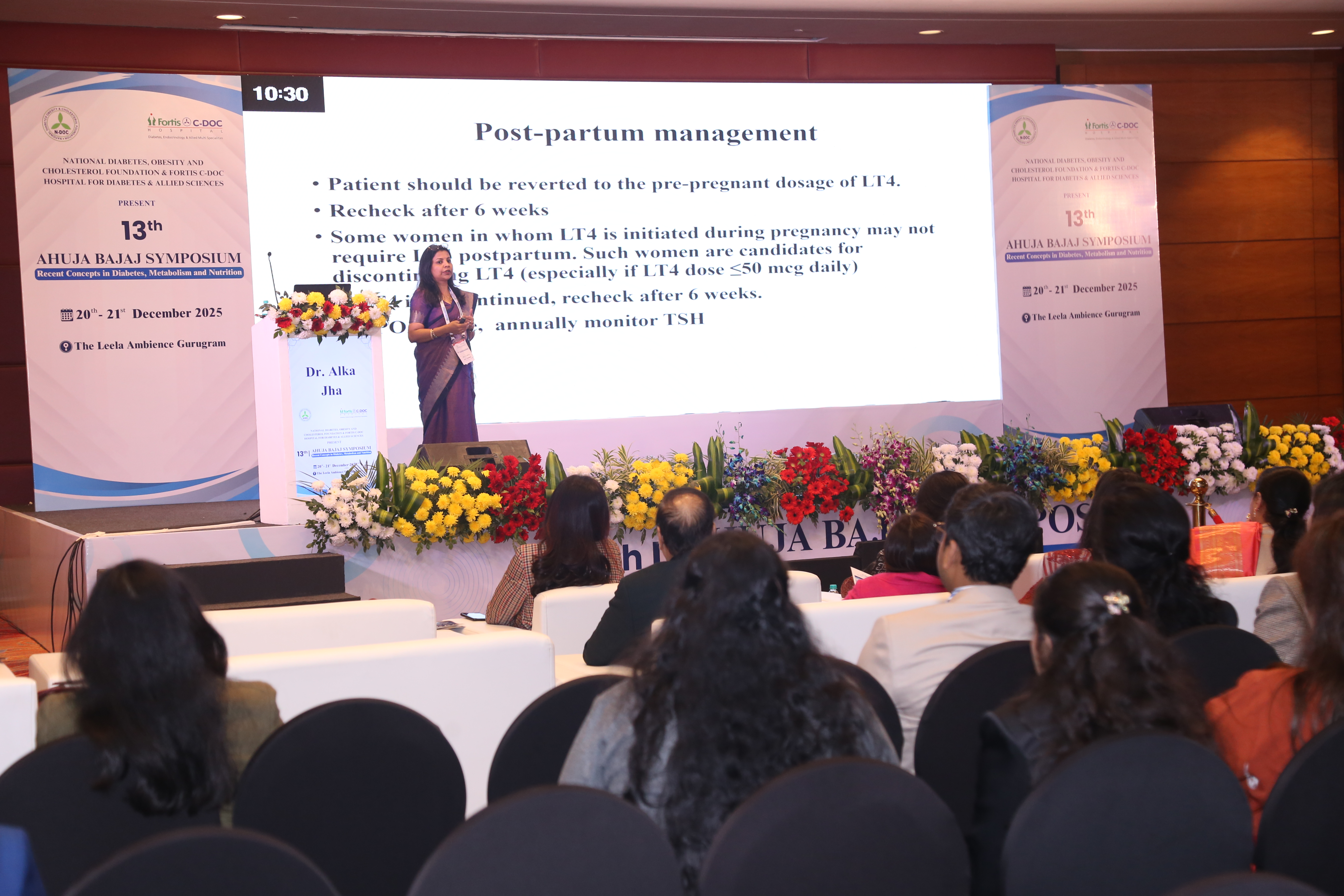
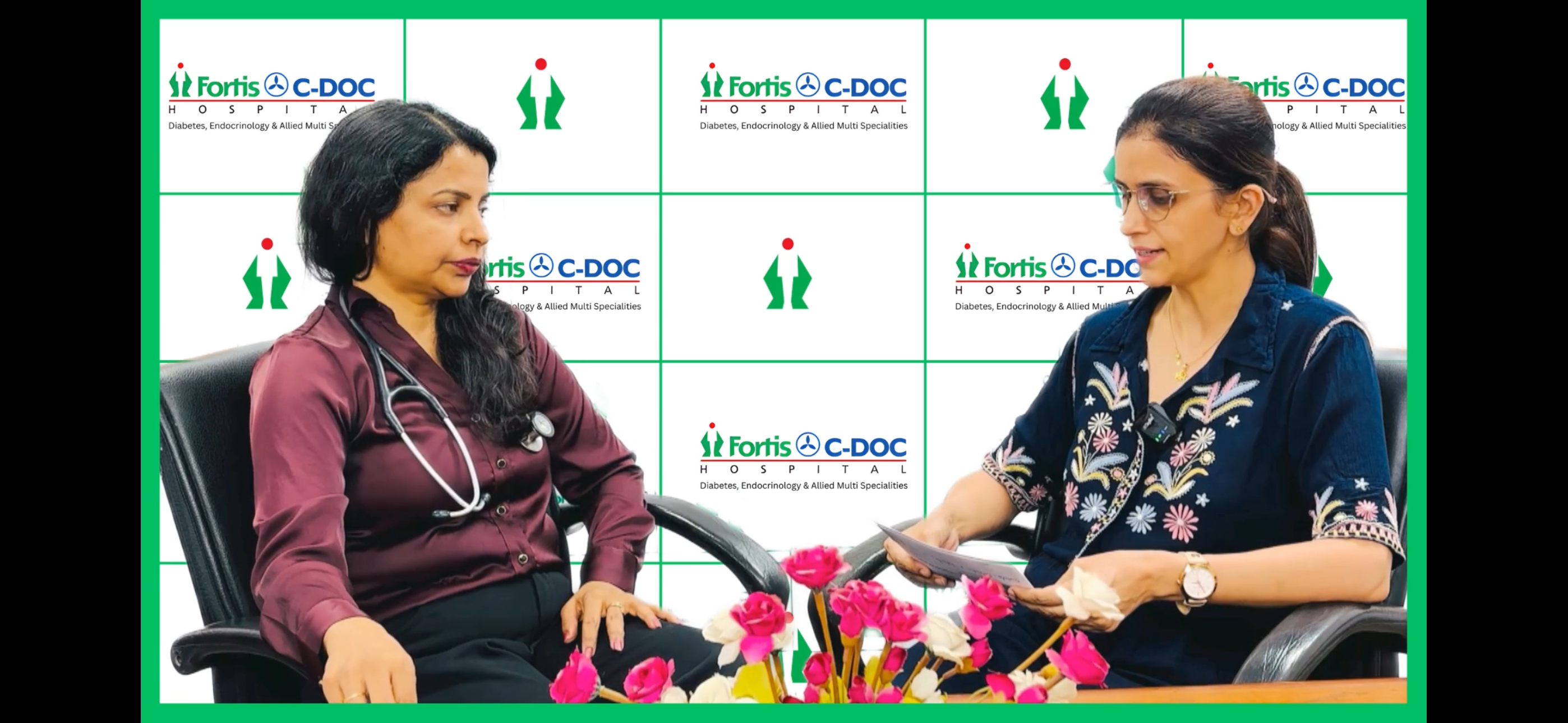
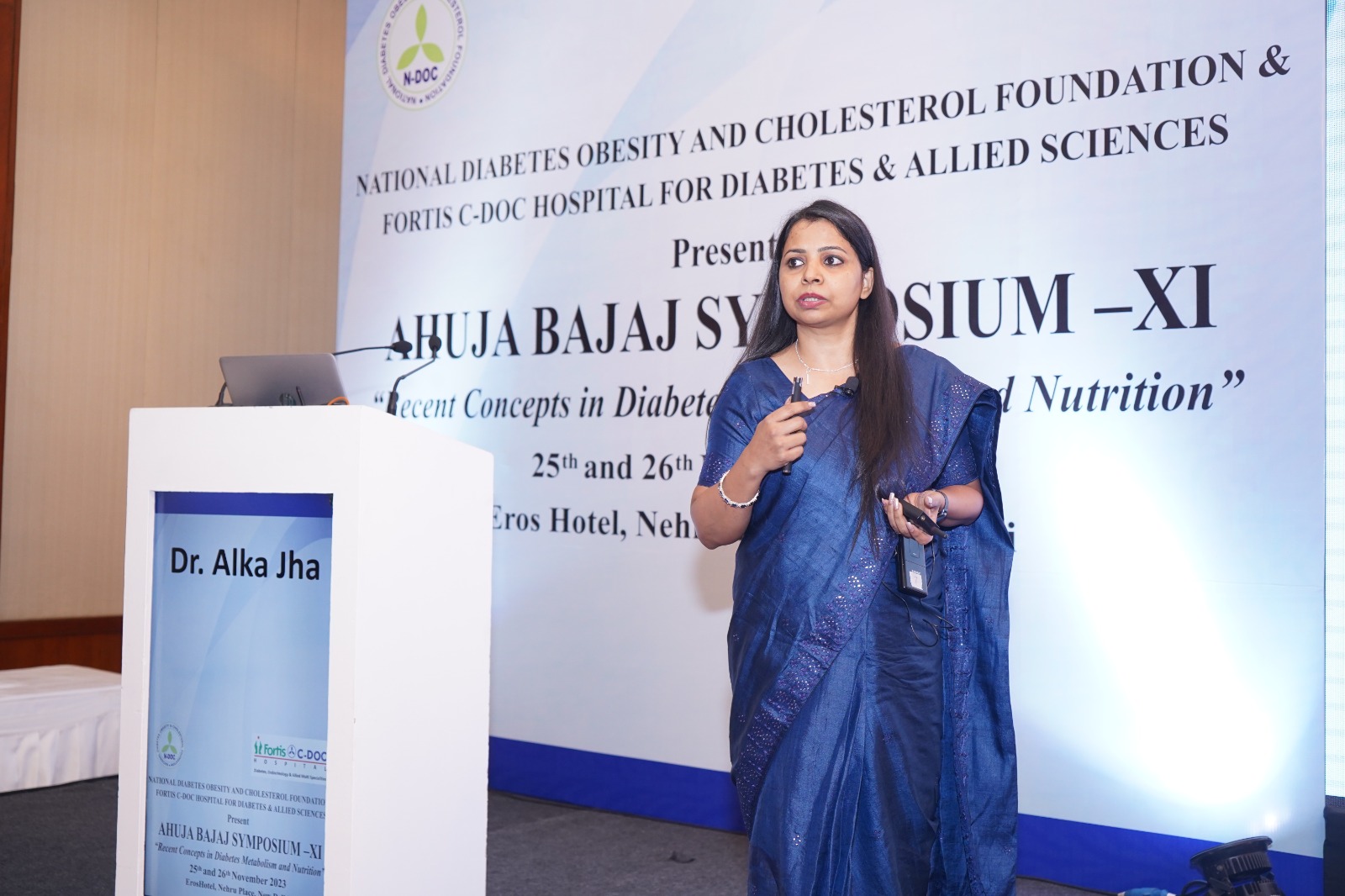
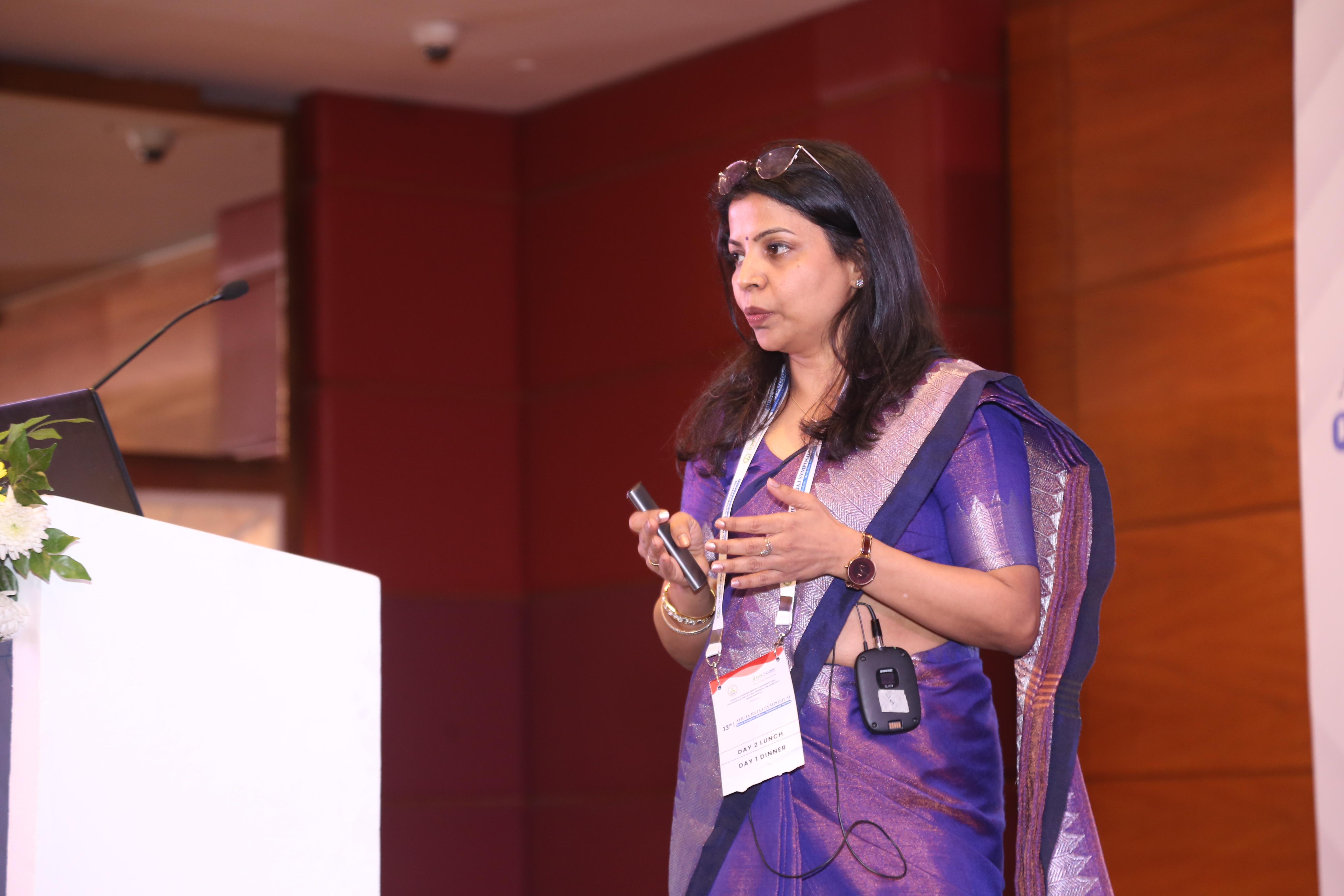
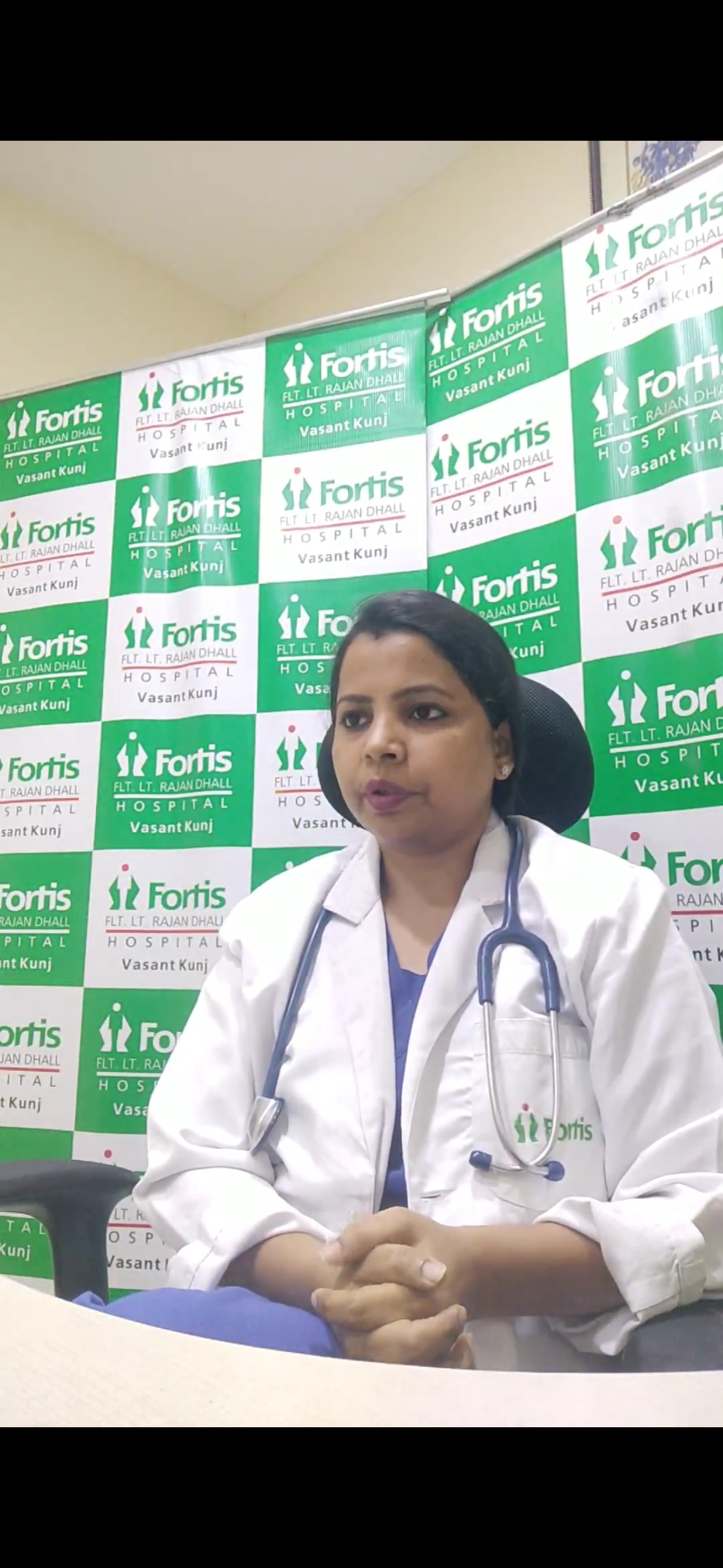
Dr. Alka Jha is a Senior Consultant in Endocrinology at Fortis C-DOC and Fortis Hospital, Vasant Kunj, New Delhi, with extensive experience in the diagnosis and management of diabetes,obesity, thyroid disorders and a broad range of endocrine conditions. She completed her MBBS from Lady Hardinge Medical College, New Delhi, followed by postgraduate training in Internal Medicine at VMMC and Safdarjung Hospital. She subsequently undertook senior residency training in the Department of Endocrinology at Safdarjung Hospital, developing specialised expertise in hormonal and metabolic disorders. She has also received Specialty Certification in Endocrinology and Diabetes from the Royal College of Physicians, UK. Her areas of clinical interest include diabetes and its complications, thyroid disorders, gestational diabetes, PCOS, and disorders of the pituitary, adrenal and parathyroid glands. She also has an interest in adolescent endocrinology, providing comprehensive and patient-centred care for endocrine health across different stages of life.

Testimonials

What our Patients say about us

I would like to share my heartfelt gratitude to Dr. Alka Jha Madam, an outstanding Endocrinologist at Fortis Hospital, Vasant Kunj, Delhi whose treatment has truly been life-changing for me. Although I am a serious spinal injuries patient suffering from diabetic neuropathy, my condition became even more complicated after a spinal fusion surgery performed by Dr. Anurag Gupta led to undiagnosed CSF leaks in my spine. This was a life-threatening situation, and I was ultimately saved by Dr. Manoj Miglani and the expert team at Indian Spinal Injuries Centre (ISIC), Delhi. However, because of the long duration of untreated CSF leaks, I continue to struggle with diabetic lumbar radiculoplexus neuropathy (DLRPN). Amid all of this, the role of Dr. Alka Jha in managing my diabetes has been nothing short of remarkable. I was previously insulin-dependent, but under her care, my diabetes treatment was completely restructured. She introduced me to Tirzepatide 7.5mg injections, and within two months, I was able to stop insulin and other unnecessary diabetes medications without any mobility and activity. For the first time in years, I felt real hope. This medication, suggested by Dr. Alka Jha, has been life-changing. My neuropathy condition is now gradually improving, and I feel optimistic that I will regain my health and fitness soon. Dr. Alka Jha is not just a brilliant endocrinologist but also a compassionate guide who truly understands her patients. I will remain forever grateful to her for helping me transition from being insulin-dependent to a healthier, more hopeful life. — A Grateful Patient from Bangladesh.

Sukanta Parthib

Frequently Asked Questions

Need Answers? Find them here...

An endocrinologist diagnoses and manages conditions affecting hormones, metabolism and endocrine glands. Common concerns include diabetes, obesity, thyroid disorders, PCOS, gestational diabetes, menopausal hormonal changes and disorders of the pituitary, adrenal and parathyroid glands. Endocrinologists also evaluate growth and puberty-related concerns in adolescents. Care may involve detailed medical history, physical examination, laboratory investigations, imaging and long-term monitoring. The treatment plan is tailored to the individual's condition, symptoms, medical history, lifestyle and overall health to support effective disease management and reduce the risk of complications. An endocrinologist diagnoses and manages conditions affecting hormones, metabolism and endocrine glands. Common concerns include diabetes, obesity, thyroid disorders, PCOS, gestational diabetes, menopausal hormonal changes and disorders of the pituitary, adrenal and parathyroid glands. Endocrinologists also evaluate growth and puberty-related concerns in adolescents. Care may involve detailed medical history, physical examination, laboratory investigations, imaging and long-term monitoring. The treatment plan is tailored to the individual's condition, symptoms, medical history, lifestyle and overall health to support effective disease management and reduce the risk of complications.

You may benefit from an endocrinology consultation when diabetes is newly diagnosed, difficult to control or associated with complications or other hormonal concerns. An endocrinologist can assess blood glucose patterns, HbA1c, medications, insulin requirements and associated metabolic risk factors. Specialist care can also be valuable during pregnancy, when treatment needs change, or when standard management is not achieving desired control. Regular follow-up helps optimise therapy, monitor complications and provide personalised guidance regarding nutrition, physical activity, medication adherence and long-term diabetes management.

Medical obesity management involves more than simply recommending weight loss through diet and exercise. An endocrinologist evaluates metabolic health, hormonal factors, medications, lifestyle patterns and conditions that may contribute to weight gain or make weight reduction difficult. Depending on individual needs, management may include nutrition and behavioural interventions, physical activity guidance, medical treatment and monitoring of metabolic parameters. The objective is sustainable weight management and improvement in overall health rather than focusing only on body weight. Regular follow-up helps assess progress, address challenges and modify the treatment plan when required.

An endocrinology consultation may be appropriate when thyroid tests are abnormal, symptoms suggest a thyroid disorder, thyroid medication requires adjustment or a thyroid condition needs specialised evaluation. Common concerns include hypothyroidism, hyperthyroidism, thyroid nodules and other thyroid-related disorders. Assessment may include thyroid function tests, antibody testing, clinical examination and imaging when indicated. Treatment depends on the underlying condition and may involve medication, monitoring or referral for additional evaluation. Appropriate follow-up is important because thyroid hormone levels can influence metabolism, cardiovascular health, reproductive health, energy and overall wellbeing.

Gestational diabetes is diabetes first recognised during pregnancy and requires careful monitoring because maternal blood glucose can affect both mother and baby. Management generally includes dietary counselling, appropriate physical activity when medically suitable, regular blood glucose monitoring and medication when required. An endocrinologist works alongside the obstetric team to maintain glucose levels within recommended ranges throughout pregnancy. Treatment may need adjustment as pregnancy progresses because insulin requirements can change. After delivery, follow-up is important because women who develop gestational diabetes have an increased future risk of developing type 2 diabetes.

riods, excess androgen symptoms, difficulty with ovulation, weight-related concerns or metabolic abnormalities. Management is individualised according to symptoms, reproductive goals and associated health risks. An endocrinologist may evaluate glucose metabolism, lipid profile, thyroid function and relevant hormonal parameters when appropriate. Treatment can include lifestyle modification, weight management, medication for specific symptoms and management of metabolic risk factors. Long-term follow-up may help address menstrual irregularity, insulin resistance and other complications while supporting overall hormonal and metabolic health.

Menopause involves natural hormonal changes that may cause symptoms such as hot flashes, sleep disturbances, mood changes, menstrual changes and alterations in body composition. An endocrinologist can help evaluate whether symptoms are related to menopause or another underlying hormonal or metabolic condition. Assessment may also consider thyroid function, glucose metabolism, bone health and cardiovascular risk when clinically appropriate. Management is individualised according to symptoms, medical history, age and risk factors. Depending on the situation, treatment may include lifestyle measures, non-hormonal approaches or discussion of hormone therapy when medically appropriate.

The pituitary gland regulates several important hormones involved in growth, reproduction, thyroid function, adrenal function and water balance. Pituitary disorders may result in either excessive or insufficient hormone production and can present with symptoms such as menstrual changes, unexplained fatigue, headaches, changes in growth, altered body composition or reproductive difficulties. Diagnosis usually involves a detailed clinical assessment and targeted hormone testing. Depending on the suspected condition, imaging such as an MRI may be recommended. Treatment varies according to the specific disorder and may involve hormone replacement, medication, monitoring or specialist intervention.

The adrenal glands produce hormones that regulate metabolism, blood pressure, stress responses and other essential body functions. Adrenal disorders can occur when hormone production is excessive or insufficient. Conditions may include adrenal insufficiency, cortisol excess and disorders affecting adrenal hormone production. Symptoms vary depending on the underlying condition and may include changes in blood pressure, unexplained weight changes, fatigue, weakness or abnormal electrolyte levels. Evaluation may involve specific hormone tests, blood or urine investigations and imaging when required. Early diagnosis and appropriate management are important because significant adrenal hormone abnormalities can affect multiple organ systems.

Children and adolescents may require endocrine evaluation for concerns involving growth, puberty, weight, diabetes, thyroid function or other hormonal conditions. A specialist assessment can help determine whether growth or developmental changes are within the expected range or require further investigation. Evaluation may include growth measurements, developmental history, physical examination, laboratory testing and imaging when indicated. Early assessment can be particularly important when puberty occurs unusually early or late, growth patterns change significantly or symptoms suggest an endocrine disorder. Management is tailored to the child's developmental stage and individual clinical needs.
Endocrinologists help identify and manage metabolic and hormonal factors that can increase the risk of diabetes-related complications. Regular assessment may include monitoring blood glucose and HbA1c, blood pressure, lipid levels, kidney health and other relevant clinical parameters. Depending on the individual's condition, the endocrinologist may coordinate care with ophthalmologists, nephrologists, cardiologists, podiatrists or other specialists. The aim is to achieve appropriate glucose control while reducing long-term risks. Personalised treatment, medication review, lifestyle guidance and regular monitoring are important components of comprehensive diabetes care.

Endocrine conditions can affect multiple systems of the body, and the same diagnosis may present differently in different individuals. Personalised care allows treatment decisions to consider symptoms, laboratory findings, age, medical history, lifestyle, reproductive goals and other health conditions. An endocrinologist may combine clinical evaluation with targeted investigations to identify the underlying hormonal or metabolic problem before recommending treatment. Ongoing monitoring is also important because hormone levels and metabolic requirements can change over time. A personalised approach supports appropriate treatment, patient education, prevention of complications and sustainable improvements in overall health.

Location & Location Map

Location
addressAddress

Fortis Flt. Lt. Rajan Dhall Hospital, Vasant Kunj, New Delhi 110048, Delhi

  • Social Media Connect

Working Hours

MONDAYClosed
TUESDAYClosed
WEDNESDAYClosed
THURSDAYClosed
FRIDAYClosed
SATURDAYClosed
SUNDAYClosed

Contact Us

Contact Us

  • Email: dralkajha77@gmail.com
  • Phone: 9899537666

Social Media connect:

Website Powered by icareheal

© Dr. Alka Jha 2025